
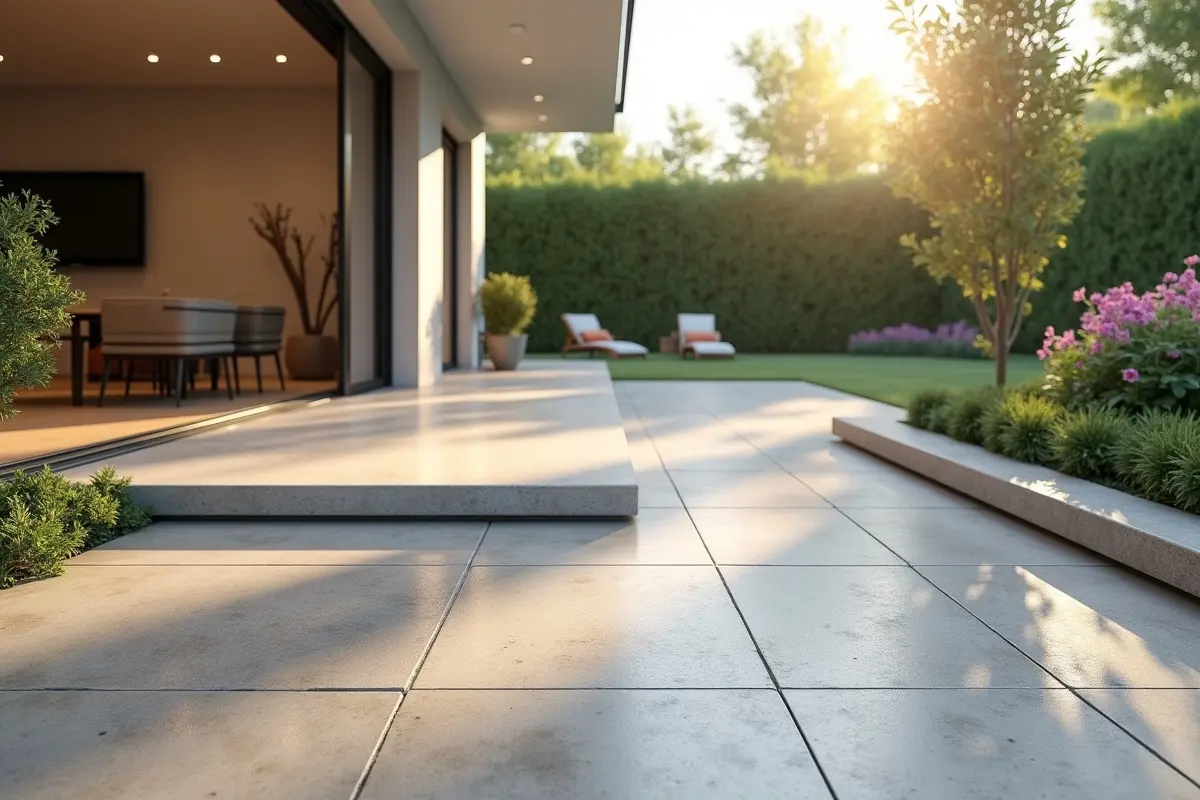
Finding materials that work just as well inside as outside is harder than one might think. Typically, things work better in one environment or another but rarely both. Wood, for example, provides a great aesthetic indoors but seriously does not hold up well to the elements. Metal rusts. Standard plastics become brittle and foggy. Glass works in all situations until it doesn’t—and glass breaks, often.
Perspex falls into a different category altogether. It can withstand indoor temperatures without issue and withstand outdoor exposure without the degradation that compromises most transparent materials. This is why perspex is everywhere, from retail displays to garden screens to protective barriers that need to last for more than a few months.
Contents
What Makes It Truly Durable
The structure of the material provides it with staying power. Where standard plastics become under UV exposure, high-quality perspex is manufactured with UV stabilizers that prevent sunlight from degrading the polymers. It’s not just a coating that wears off; it’s an inclusion within the material.
It also remains stable under temperature changes in a way that other materials do not. Indoors and outdoors, temperature will not warp or bend or crack perspex. Whether far below freezing or well above average room temperature, perspex maintains its stability. This matters outdoors from morning frost to afternoon sun and indoors from heating vents to windows.
Impulse resistance is another factor that’s often underestimated. Perspex can take a knock that would break glass or crack acrylic. It’s not indestructible, but it’s super resilient if in high-traffic areas where contact with objects and people is often inevitable.
What Happens Outdoors
What happens to perspex when it’s been outside for years? Not much. It maintains its optical clarity instead of fading to that awful yellowed haze that cheap plastics obtain. Rain does not affect it. Wind-borne debris may scratch the surface—if it’s truly abrasive—but the material itself does not deteriorate.
UV exposure is the most detrimental component of life outside. Sunlight breaks down transparent materials. It yellows them, it makes them bendable, and it creates stress cracks. Quality perspex resists this for years—if not decades (dependent upon grade and thickness). This is why it’s found in exterior signage, architectural facades, and protective screens.
Extreme weather conditions age materials like nothing else. Perspex holds up in the rain—even swelling in materials is not an issue, as it does not absorb moisture. Perspex does not corrode or rust. Cold weather will not make it brittle; summer heat will not make it malleable if it is of the right thickness.
Weather extremes test materials harder than anything else outdoors. Perspex resists most chemicals that it comes in contact with outdoor. Cleaning products, pollutants in rain and from salt spray in coastal environments do not degrade perspex in the same way they corrode metal or stain other materials.
What Happens Indoors
Inside, perspex solves problems that other materials may create—or fail to serve well. It does not get cold like metal, so condensation is not an issue in temperature-controlled settings; optical clarity is provided—and maintained—in a way glass cannot always support.
Perspex has superior ignition temperatures compared to other plastics; highly regarded grades have fire-retardant properties when building codes dictate the need. Perspex does not contain chemicals that emit toxic fumes the way certain plastics do when heated—important for public health and safety in commercial settings.
Weight is another practical consideration that often gets overlooked until installation day. Perspex weighs half as much as glass of the same thickness; therefore, it’s easier to install and requires less structural support when creating frames and hinges for doors, etc. This becomes vital in ceilings or larger panels.
Acoustic properties exist across certain indoor applications. Perspex dampens sound transmission better than glass does (think office partitions/reception/waiting areas). This can be useful when maintaining some sound control without entirely muffling communications.
Maintenance Realities
Maintenance isn’t an issue whether indoors or outdoors with perspex. It requires basic cleaning as any other material would—mild soap and water do a fine job without any special treatment required. Unlike glass, perspex does not show dust or water marks easily because it’s not essentially transparent, although that’s a good quality in certain applications.
Scratches are an issue—not structural damage, but cosmetic damage—as light scratches may be polished out with proper use of compounds while deeper scratches may be too deep to correct but will not crack like glass will.
Because perspex holds up over time, maintenance relates less to fixing things and more towards cleaning. A well-installed section of perspex (panel or otherwise) will last more than 10–20 years without degrading.
When Location Doesn’t Matter
Certain materials force one to compromise design based on whether it will be inside or outside; perspex allows people to maintain fabrications across both environments without concern. The same specifications required for outdoor sign applications would serve perspex well in an indoor display.
Retail spaces are often appreciated across both ranges; window displays can feature the same materials as interior display cases; outdoor menu boards can match indoor signage; consistent aesthetics across realms help meet specific branding goals that cannot always be achieved with other materials requiring different treatments.
Furthermore, neutral properties mean that perspex does not interfere with design cohesion—but instead promotes transparency when necessary (frosted or colored or texturized) without losing aesthetics with wood, metal, fabric or other pieces within the same space.
The Quality Difference
Not all perspex operates at this level of performance. Lower grades of quality may seem fine at first but deteriorate faster, especially outdoors; they yellow sooner, gain haze quicker and become brittle more effectively. The difference in cost between standard and higher-grade quality is minor relative to replacement costs years down the line.
Thickness affects durability as well—as it’s not a matter of using thicker gauges but rather a specification suited to application as gauge—that serves it’s purpose well once designed right. An over-thick piece of low-grade perspex will outlast anything if it’s properly specified based on structural and weather exposure conditions.
The Practical Consideration
Materials that truly work well everywhere are rare; typically they require individuals to sacrifice durability versus performance for indoor use compared with outdoor use—but perspex fares just as well with both situations without compromise.
This is why perspex keeps finding itself in scenarios where failure isn’t an option and replacement would be costly or disruptive; it handles whatever it’s supposed to do for years on end without a problem—and people come to find it’s better than the alternative either way.
It goes what it’s supposed to do everywhere it goes, year after year—which people undervalue until they deal with unreliable materials elsewhere.



Leave a Reply
You must be logged in to post a comment.