
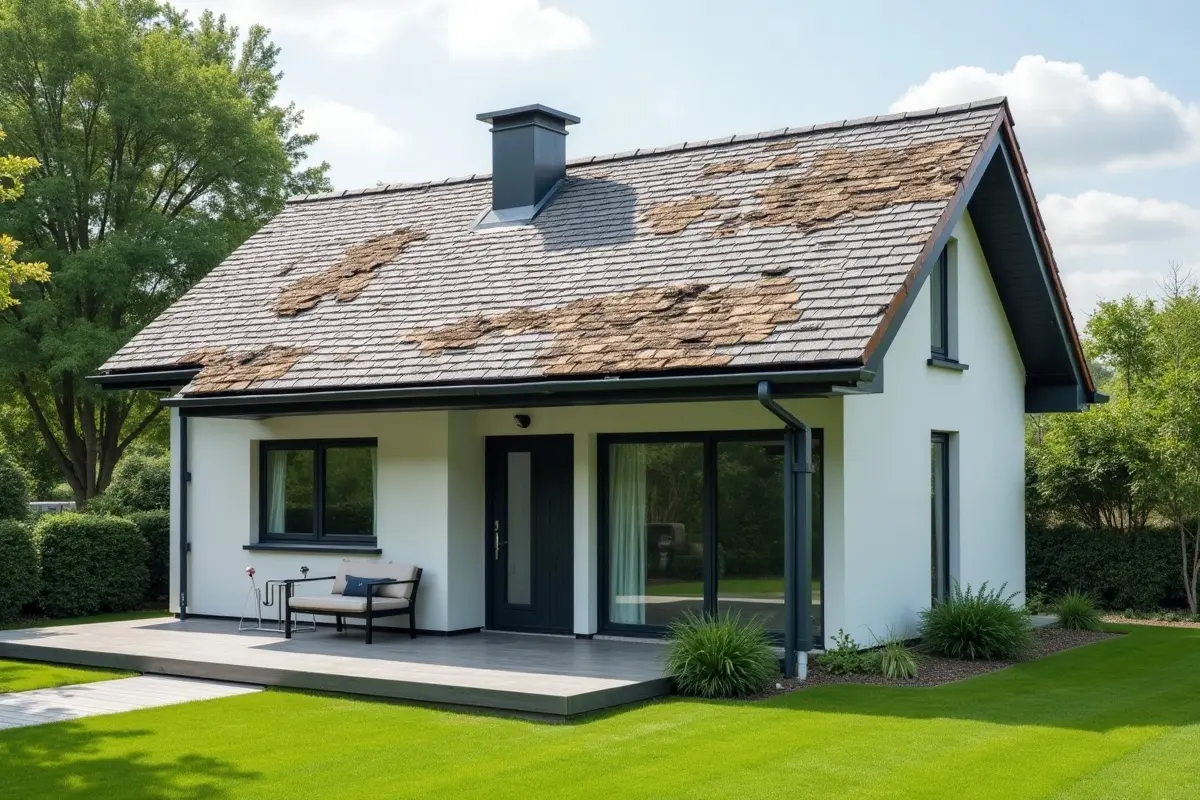
Your roof protects your home from adverse weather and harsh environmental factors every single day. However, over time and with exposure to the elements, signs of potential trouble can arise. Recognizing these warning signals early can help you save on major repairs and safeguard both your home’s structure and your family’s well-being. If you want to ensure your home’s protection and longevity, a trusted roofer can provide thorough inspections and qualified assistance.
Neglecting roof maintenance or missing early signs of damage can lead to costly repairs, energy inefficiency, or even structural compromise. In this guide, you’ll find an overview of critical indications that warrant immediate attention to keep your roof in optimal shape. By watching for these early warning signs, you can address problems before they escalate, protecting both your investment and your peace of mind.
From water stains and missing shingles to granule loss and visible daylight in your attic, understanding these red flags empowers homeowners to act wisely and promptly. Regular roof checks, paired with timely repairs, can extend your roof’s lifespan and help you avoid emergency situations.
Additionally, homeowners can consult specialized residential roofing contractors for comprehensive evaluations, particularly if any of the warning signs listed below are discovered during routine inspections or after severe weather events.
Water Stains and Leaks
Visible stains or discoloration on your ceilings or walls can signal water infiltration from above. Even minor stains may point to underlying leaks that can rot structural beams, foster dangerous mold, and weaken your home’s integrity. Roof leaks should never be ignored; a prompt assessment can help you avoid future water-related damage and health issues.
Missing or Damaged Shingles
Your roof’s shingles act as its protective armor. When you spot shingles that are curling, cracked, broken, or missing entirely, it means your roof’s protective barrier is compromised, making it vulnerable to moisture intrusion and weather damage. If these conditions go unchecked, you may need more extensive repairs or even a full replacement.
Granules in Gutters
When roof shingles begin to shed their granules, you’ll often find these gritty particles collecting in your gutters or at the base of your downspouts. This loss typically indicates that your shingles are reaching the end of their lifespan or have been impacted by severe weather. Granule loss diminishes your shingles’ ability to shield your home from the sun’s UV rays, accelerating roof aging and increasing the risk of leaks.
Sagging Roof Deck
A noticeable dip or sag in your roof’s structure is one of the most urgent signals of underlying trouble. Causes may include lingering water damage, deteriorated decking, or inadequate support. Left unaddressed, a sagging roof deck can ultimately lead to structural failure or even partial collapse. Consulting a qualified roofing expert for an immediate evaluation is vital.
Daylight Through Roof Boards
During a routine attic inspection, look upward for spots where sunlight filters through. Seeing daylight in your attic signals gaps or holes in your roofing material that allow water, pests, and outside air into your home. Not only can this compromise insulation and increase energy costs, but it also makes your home vulnerable to rot and other weather-related damages.
Increased Energy Bills
A spike in your heating or cooling bills could suggest your home is losing conditioned air through the roof. Damage to roof insulation or structural components can reduce your home’s energy efficiency. The U.S. Department of Energy highlights the importance of a well-maintained, energy-efficient roof to keep utility costs under control and maintain consistent indoor temperatures.
Moss and Algae Growth
While some homeowners consider moss or algae a cosmetic issue, these growths can damage shingles by trapping moisture and encouraging rot. Heavy or persistent moss growth often indicates excessive humidity and may indicate underlying drainage or shading issues. Regular cleaning and professional assessment can help prevent long-term material breakdown.
Age of the Roof
All roofing materials have a predictable service life. For instance, asphalt shingles commonly last between 15 and 30 years, depending on quality, climate, and maintenance. If your roof is nearing or has exceeded its expected lifespan, schedule an inspection to determine whether repairs or a full replacement are needed. Being proactive in addressing age-related wear can stave off sudden system failures.
Conclusion
Watching for these warning signs and responding promptly to maintenance needs helps you protect your investment, ensure your family’s safety, and extend your roof’s lifespan. Schedule regular inspections and, at the first sign of trouble, seek guidance from roofing professionals to prevent minor issues from becoming major concerns.



Leave a Reply
You must be logged in to post a comment.